1982
Northampton
Born in the town, raised on its estates: Kingsheath, Bellinge, Blackthorn, Thorplands.
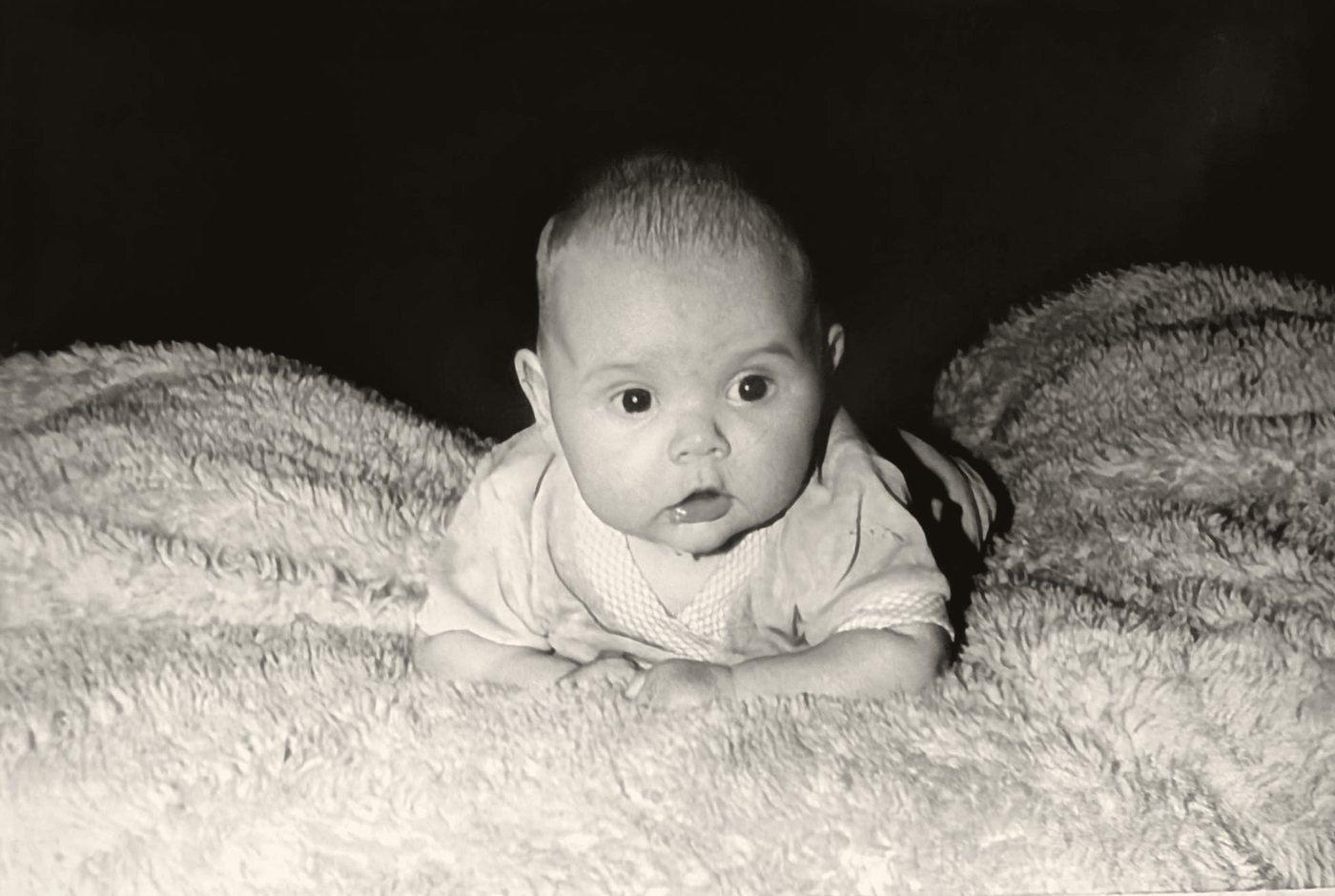
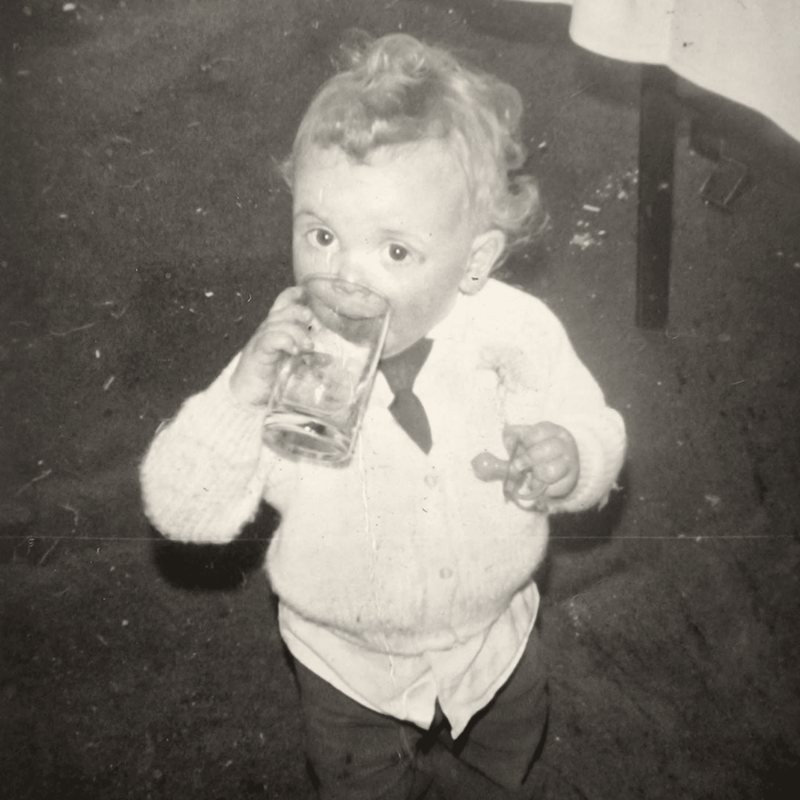
The first place
Where I come from, and who I come home to.
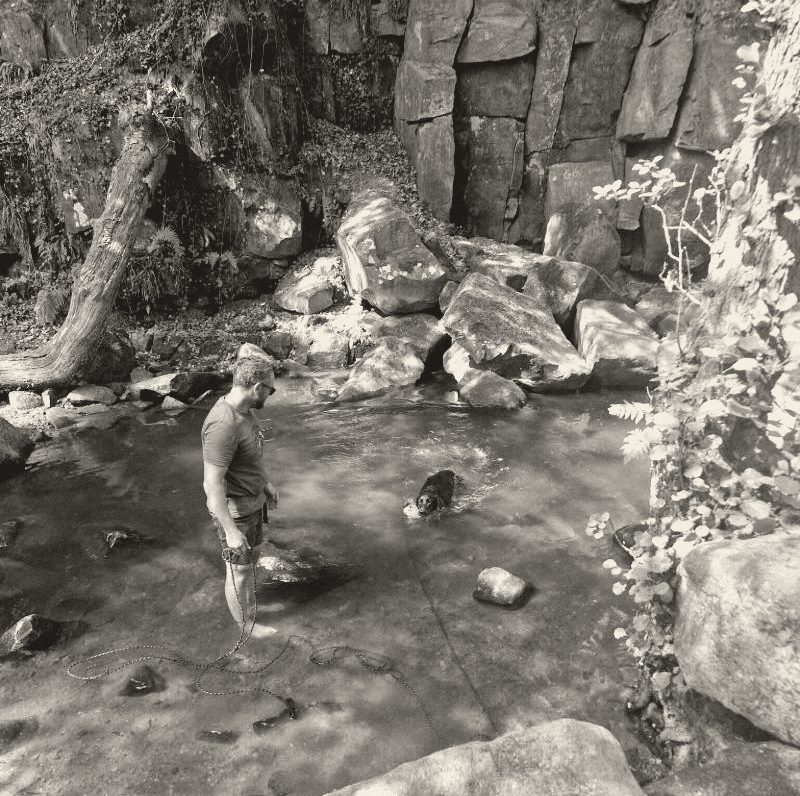
I live on a wide street in Northampton. More sky than bricks. If you stand outside and look left, you can watch the sun rise above the tree line on the other side of the valley. Walk far enough and the street gives way to mud, and the mud to water, and the noise in my head goes quiet.
My birth certificate says Mathew, with one t. My passport says Matthew, with two. No one in my family knows how the second t appeared. I found out in 2015, working at the county archives, when I held the original register in my hands and read what a government clerk had written beside my name.
Spelling of Mathew with one ‘T’ confirmed by both parents.In the margin. Original ink.
I kept looking. In the archives in Kent I found Stephen Bushell Pay, my third great-grandfather. When he enlisted in the British Army, some 150 years ago, he dropped Pay and went by Bushell. By 1880 he was in South Africa, in the First Boer War. Five generations of my forefathers served in the armed forces. At seventeen and a half, in the Royal Signals, I became the sixth. Six generations, and what that left me to work out.
I looked the names up as well. Matthew means gift. A bushel is the basket in Matthew’s gospel, the one you’re told not to hide your light under.
Writing gets me through the night. The book is called Wholeless Nights, and I write it as Mathew Pay: the one t from the register, and the name Stephen Bushell Pay dropped when he enlisted. None of it happened alone.
I live with bipolar. The clinic calls it bipolar disorder. How I live with it now, and the word I made for it, are within.
I first heard the word at eighteen. It took ten years and four psychiatrists to become a diagnosis. Drink and drugs nearly finished me more than once. Since then there’s been a ward, two arrests, and six jobs offered and then withdrawn because of my risk.
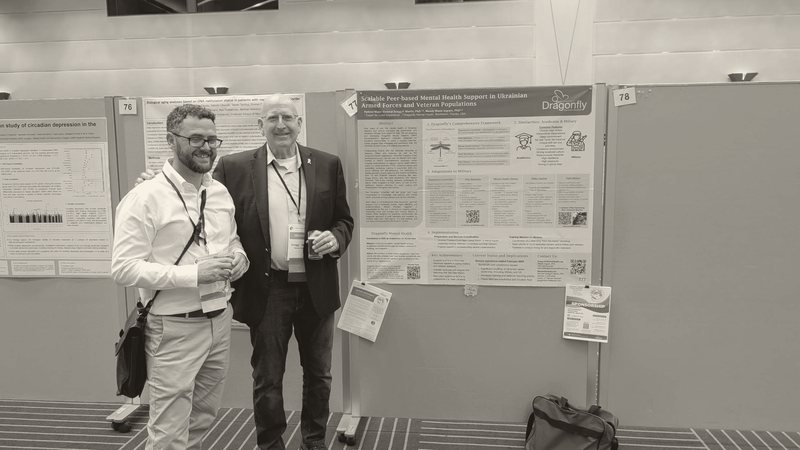
The work comes out of all of it: bipolar, complex PTSD, substance use, the criminal justice system. Peer support gave me belonging. Therapeutic coaching gave me a way of working. Emotional fitness gave me something to do with a feeling, every day. From Johannesburg I flew on to Chiba, stood up at the International Society for Bipolar Disorders, and said it out loud: recovery is more than survival. It’s about finding a way to live that enables you to thrive.
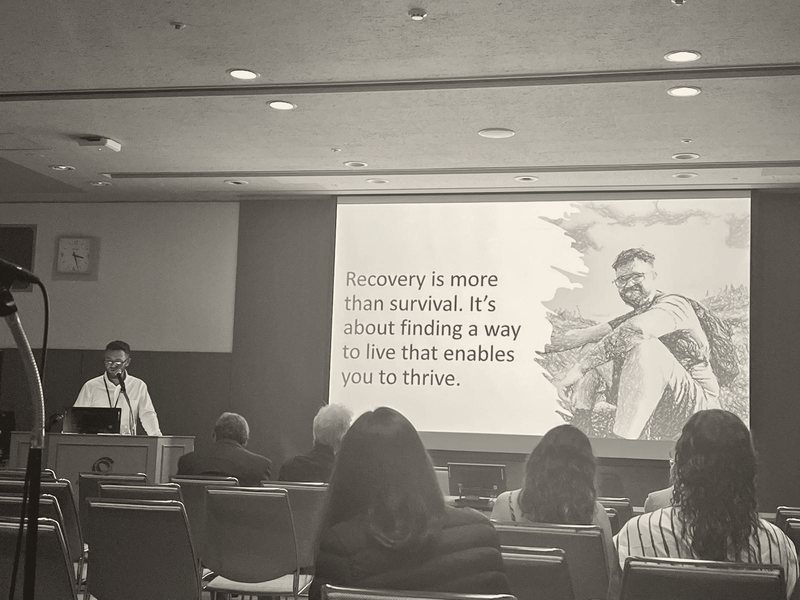
Some of it is here. The rest is in the book.
People have called me Jackanory. Walter Mitty as well. I don’t blame them. Some of this sounds made up, and I’ve spent seventeen years trying to write it down. I’ve had eighty thousand words open on a screen and pressed control, shift, delete. So here’s the short version, the way I’d tell it to you on a walk. It starts where it starts, and it hasn’t finished.
1982
Born in the town, raised on its estates: Kingsheath, Bellinge, Blackthorn, Thorplands.
Blackthorn
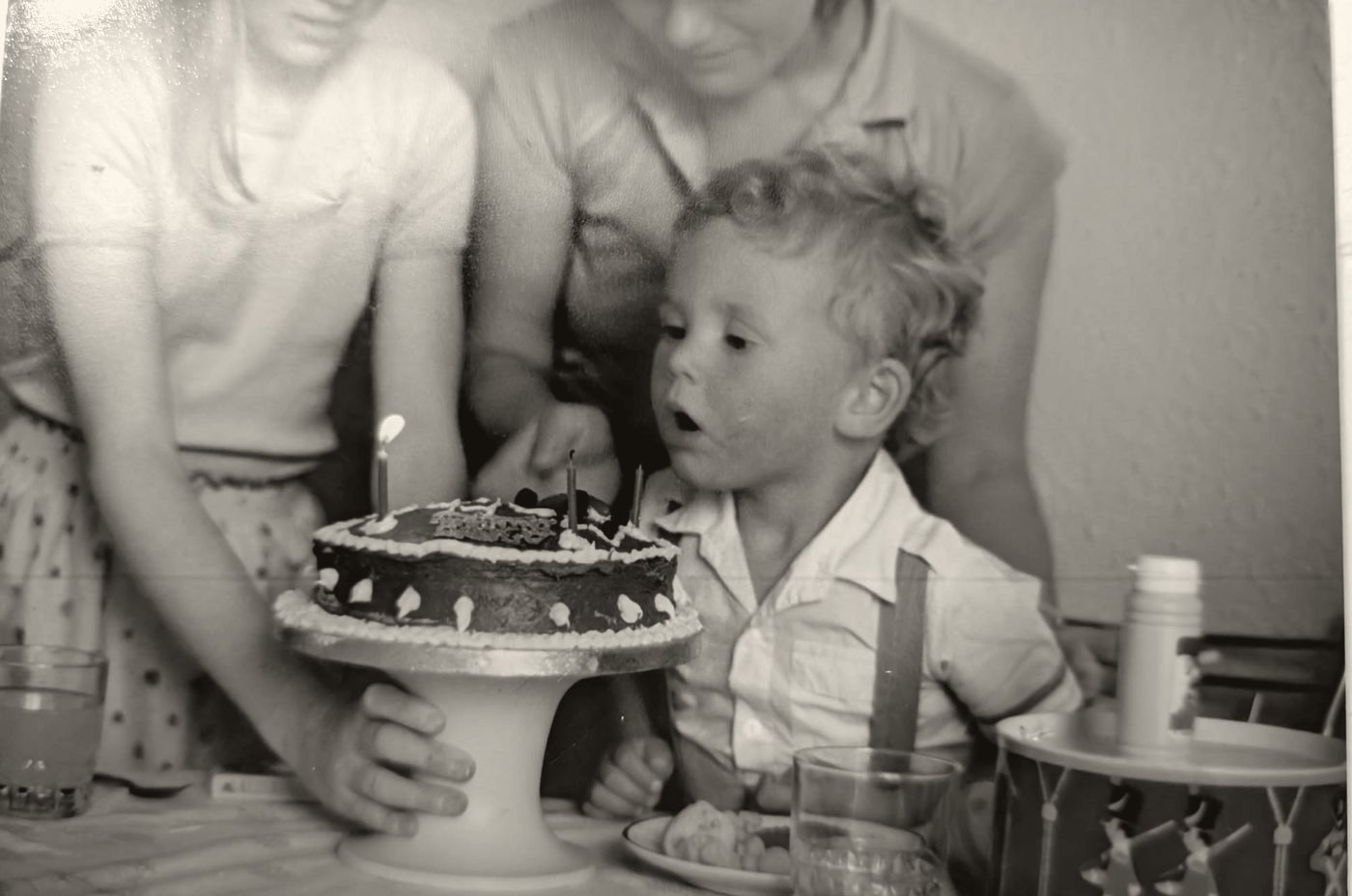
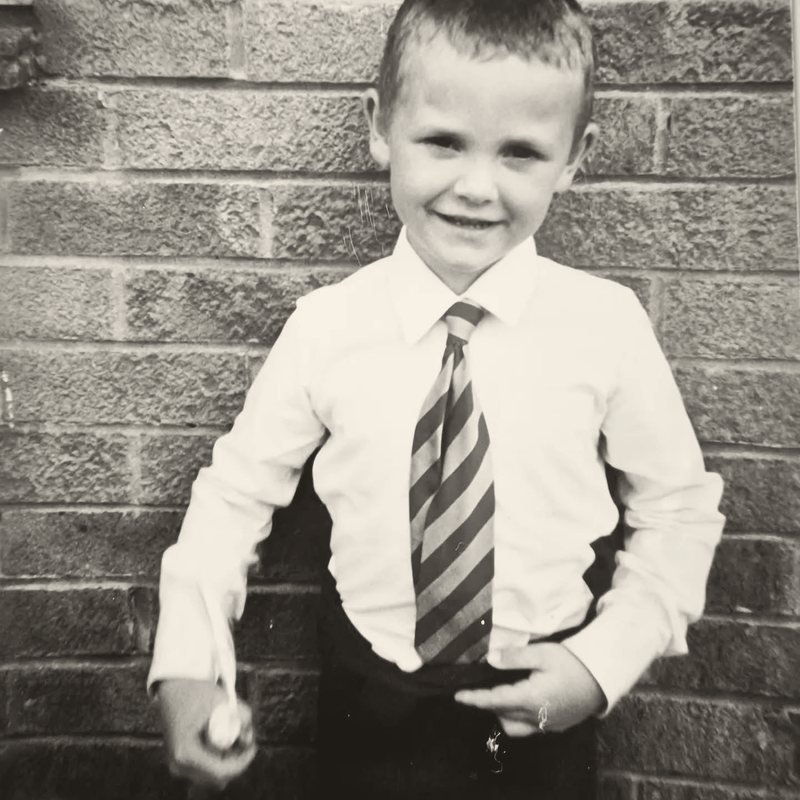
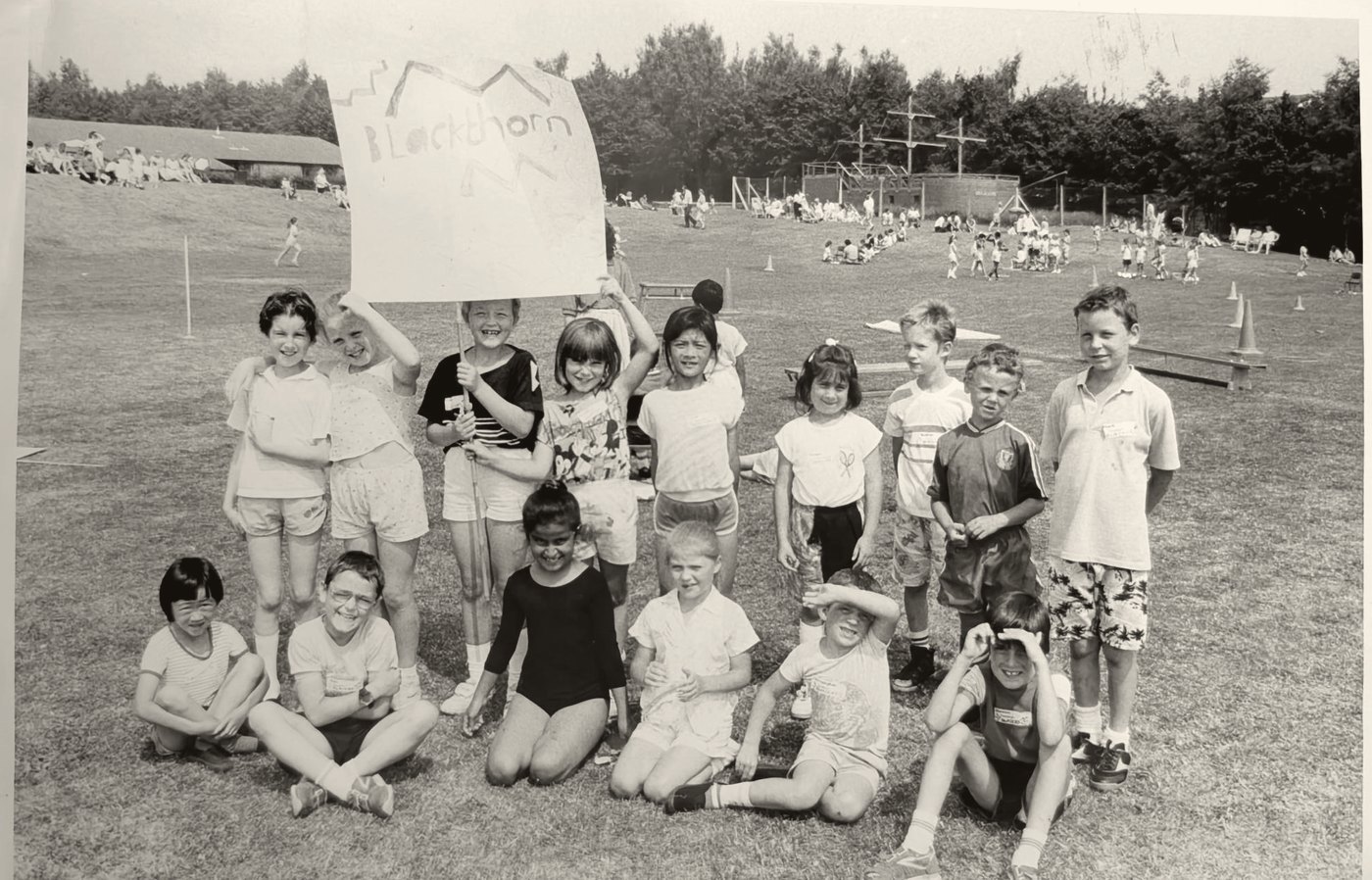
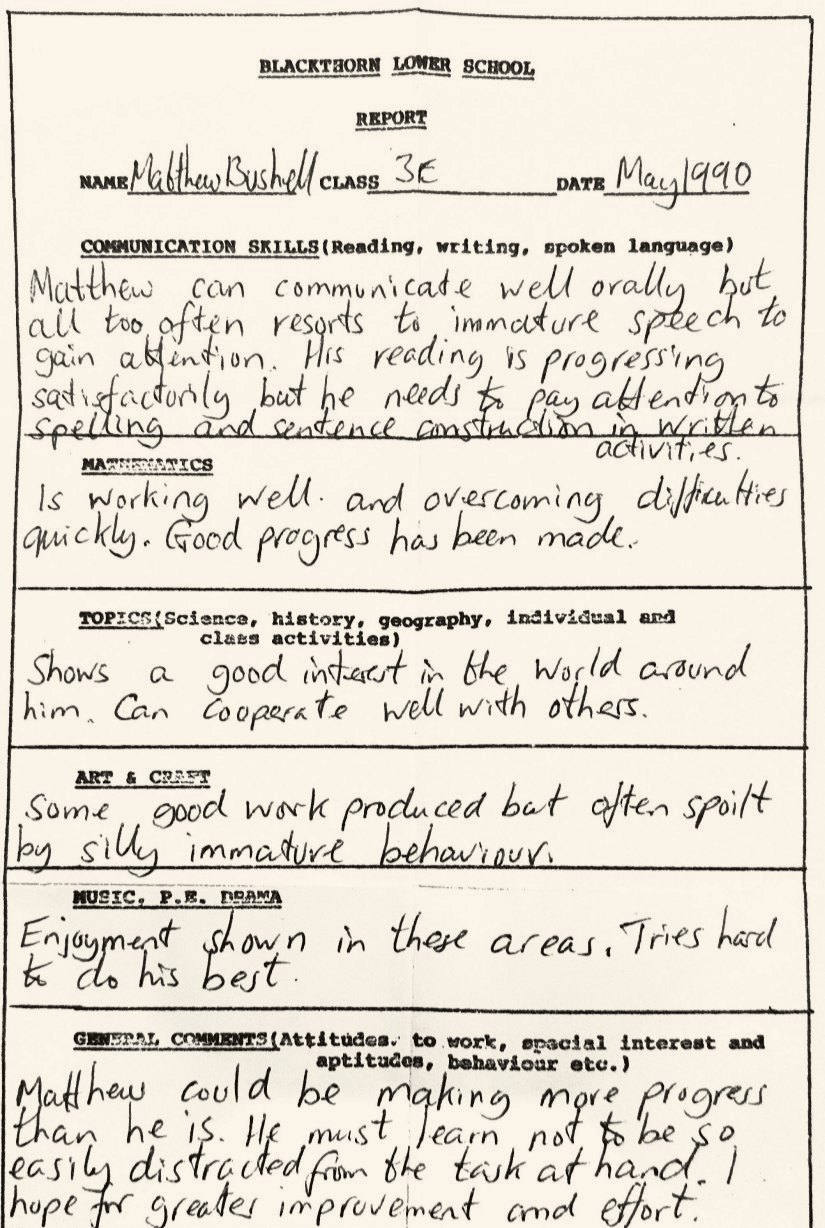
Birthday cakes, a school tie, sports day under a banner we made ourselves. In May 1990, in class 3E, my teacher wrote that I showed a good interest in the world around me and could cooperate well with others. Then the general comments: Matthew could be making more progress than he is. He must learn not to be so easily distracted from the task at hand.
Early teens
My parents started fostering when I was in my early teens. Over a hundred children came through the house. I learned what feelings do to a home.
1997
A fractured skull, the day after Diana died. One of many times drink and drugs nearly finished me. I realise now I was trying to settle a nervous system in chaos.
2000
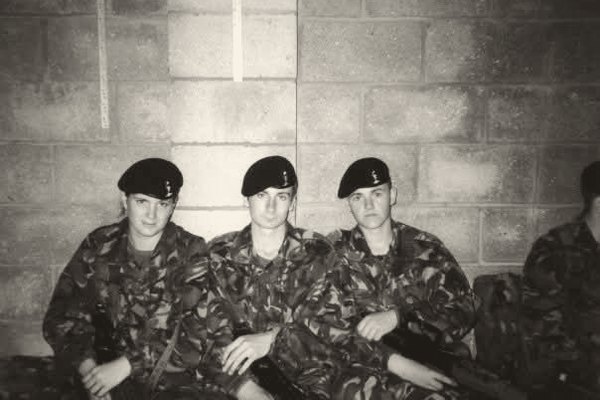
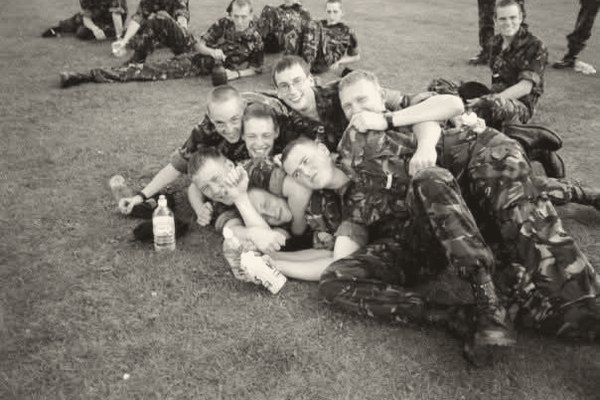
Seventeen and a half, having failed my exams. Encryption keys and secure links. One of a few chosen for the Cormorant project, showing the British Army’s new network at St James’s Park. The Leadership Award for Best Recruit. The first time I heard the words bipolar disorder was on leave, in a GP’s surgery in Northampton, with my mother beside me.
2004
Out of the army and into production monitoring: designing the networks that carried a factory’s data, across the UK, Europe and the USA, then training the people who used them and advising the people who ran them. Charleston. Atlanta to Oklahoma in an orange Dodge. 8 Mile Road. I was inside the Detroit car plants as that industry came down, and in the motels at night I sent poetry to American radio stations. Outwardly fine.
2008
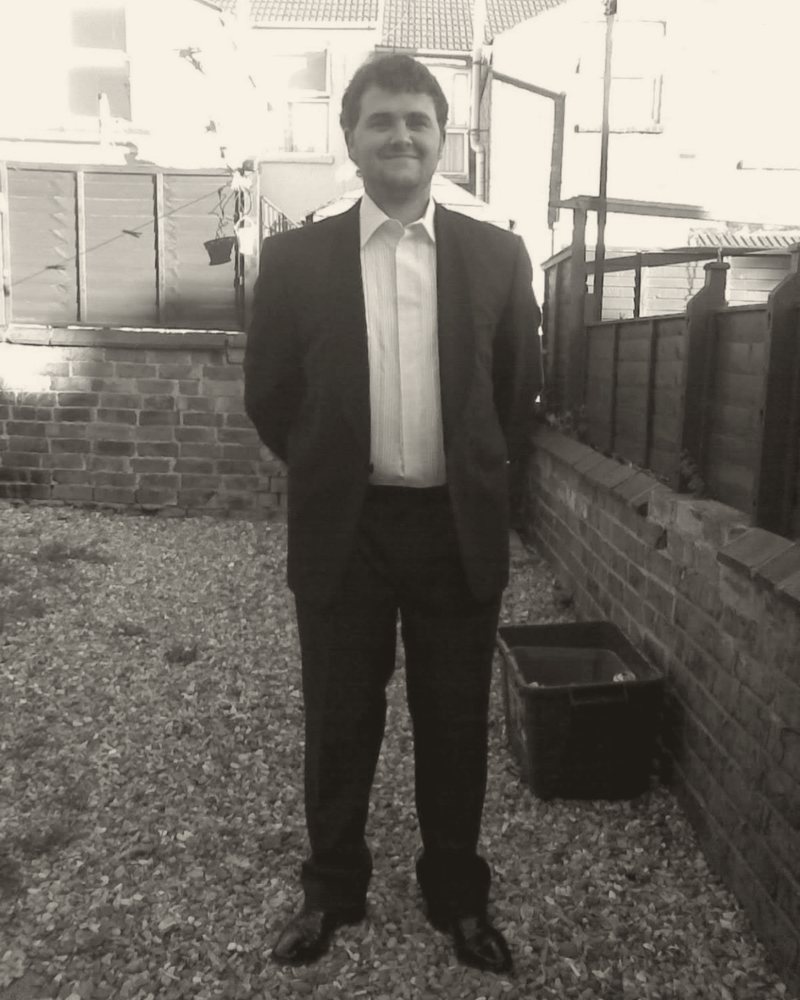
I sent two emails. One to my boss. One to Chris Ringrose at the University of Northampton. That September I arrived to study creative writing, twenty-six years old, with no GCSEs.
2010
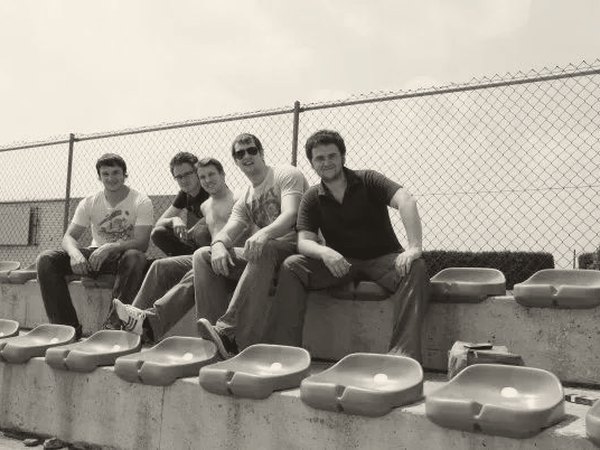
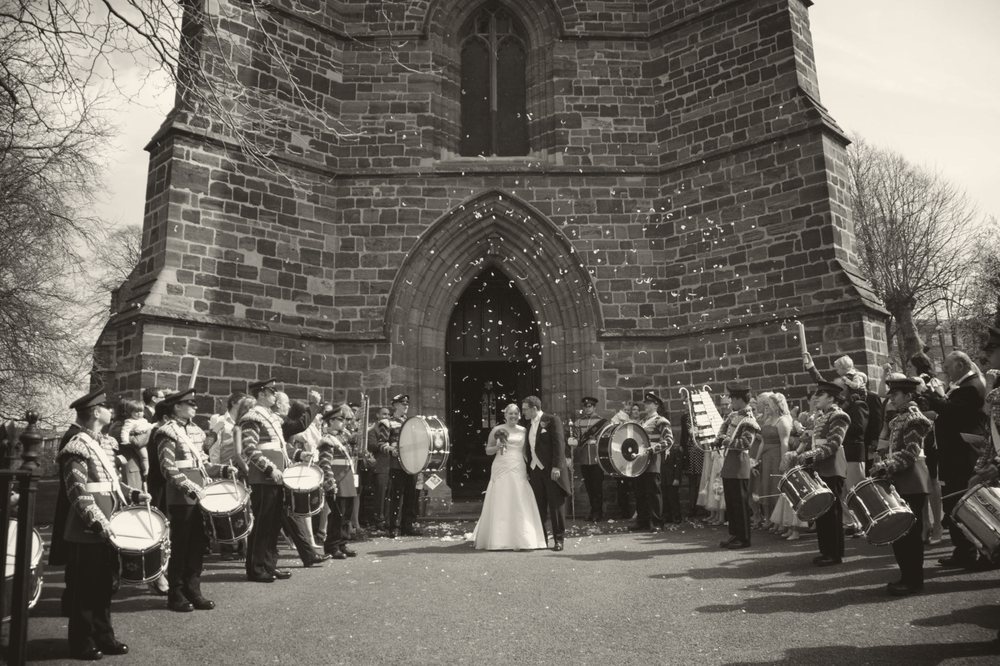
That April I married the girl I’d been with since I was fourteen. At university I was in print for the first time, in the Journal of Applied Arts and Health. I founded ArtBlast, student volunteers taking the arts out into the town, and won it a £20,000 grant and a national award. When the council didn’t renew the Fishmarket Gallery’s lease, I led the campaign that found it a new home, and I spoke to Nick Clegg about it.
2011
By the time I graduated I was married, and I had a diagnosis, from the fourth psychiatrist, ten years after I first heard the words. One night during my exams I ended up on the kitchen floor, and woke in the early hours knowing myself differently: a breakdown and a breakthrough at once. That July I started on the brain injury wards at St Andrew’s, to understand the mind in the body, and went on to lead a research project on activity monitors there. The next year I was their veterans’ mental health advocate, back among soldiers, on the other side of the desk.
2014
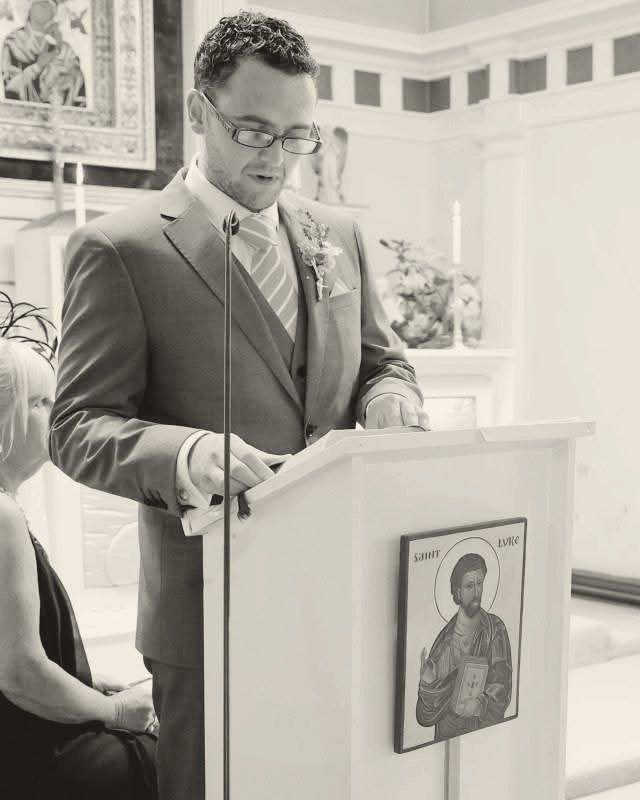
Early that year I was arrested, and I stopped drinking that day. I was charged in June. The two years after gave me a name, complex PTSD, for what bipolar had never reached. That year, too, at my friend’s wedding, I spoke in public for the first time. Eleven years later I’d be at a lectern in Chiba.
2015
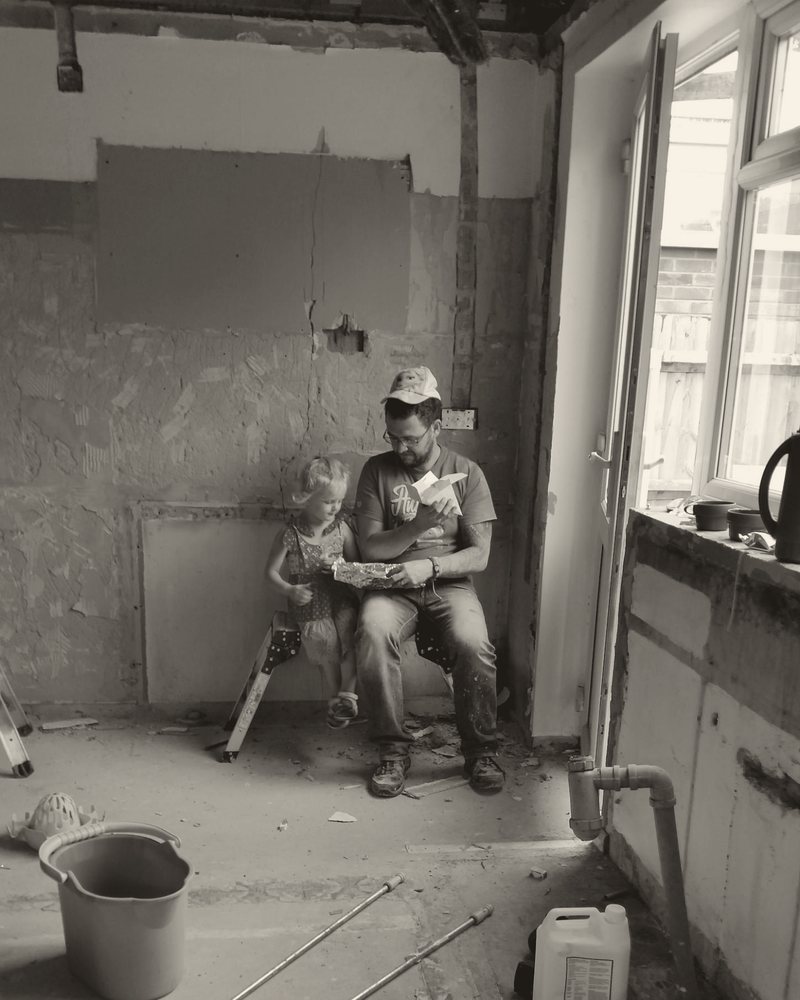
I was renovating a bungalow, and my daughter was three. I was getting into photography, starting with trees, and I began facilitating the Bipolar UK peer support group in Northampton. At the county archives I led the digitising of Northamptonshire’s archaeological records and held my own birth register in my hands. Sitting in a room of people who understood changed what I thought was possible.
2016
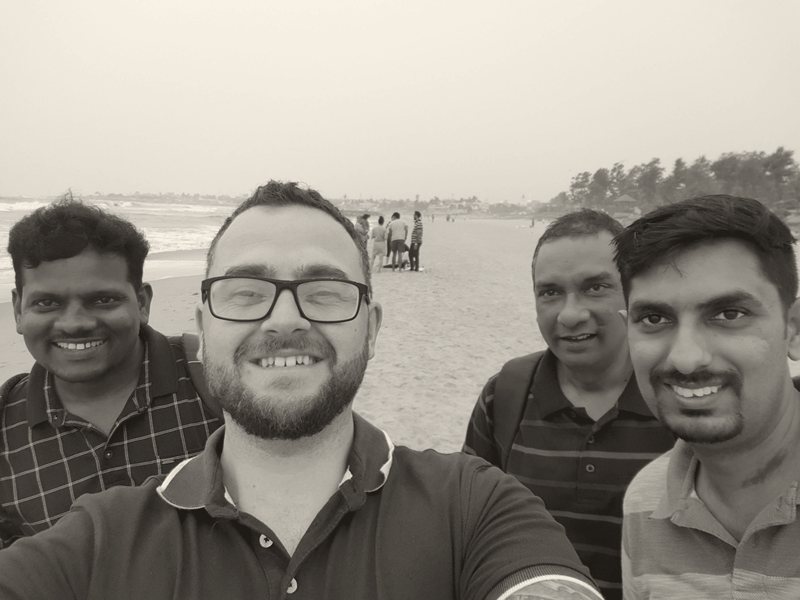
I struggled to find my feet, and went back. A blinds company in Northampton, taken through a rebrand and a new software system. Then BlindMatrix, a software platform with colleagues in Chennai, and Sqale with David Pinto, a pay-it-forward system, an alternative to the economics we’ve inherited.
2020
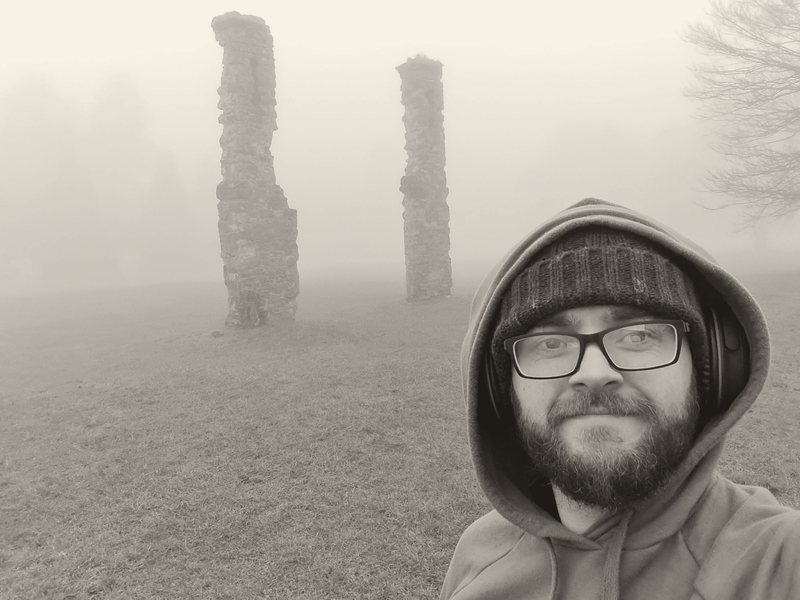
A short video of me walking and talking, in the worst of it. People joined in. That September I started co-hosting the Bipolar Now podcast with Mike Lardi, 150 weekly episodes and 7,000 Apple downloads a month at its peak, and helping to run its Facebook peer support community, close to a thousand people.
2021
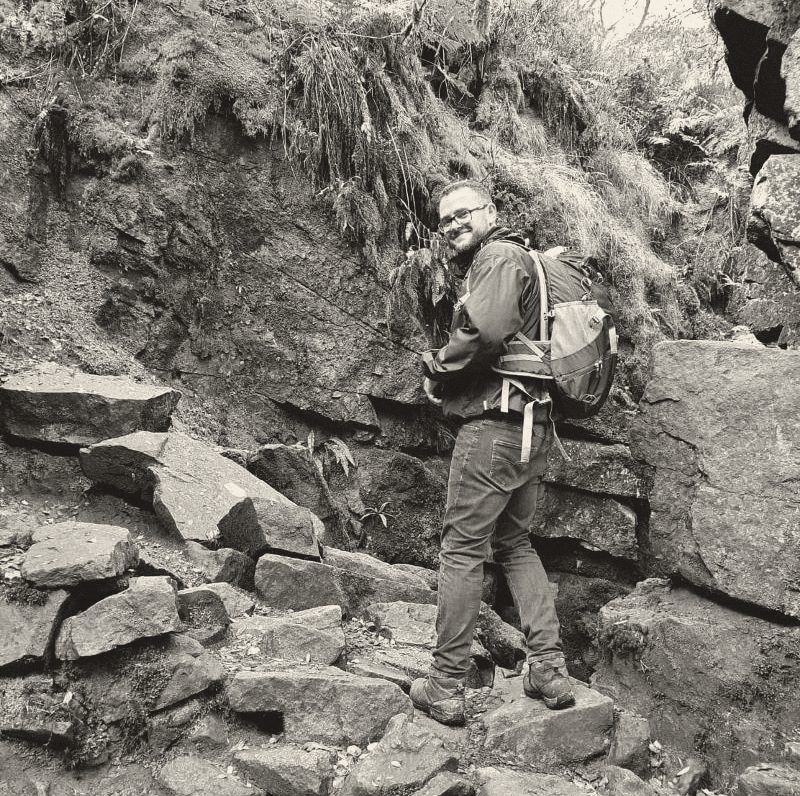
Deeply depressed, and about to leave IT for the second time. I left that October. Soon after, a comment on LinkedIn from a man who shared my name, Matthew Green, became emotional fitness: learning to ask what shape a feeling is, and where it sits in my body.
2022
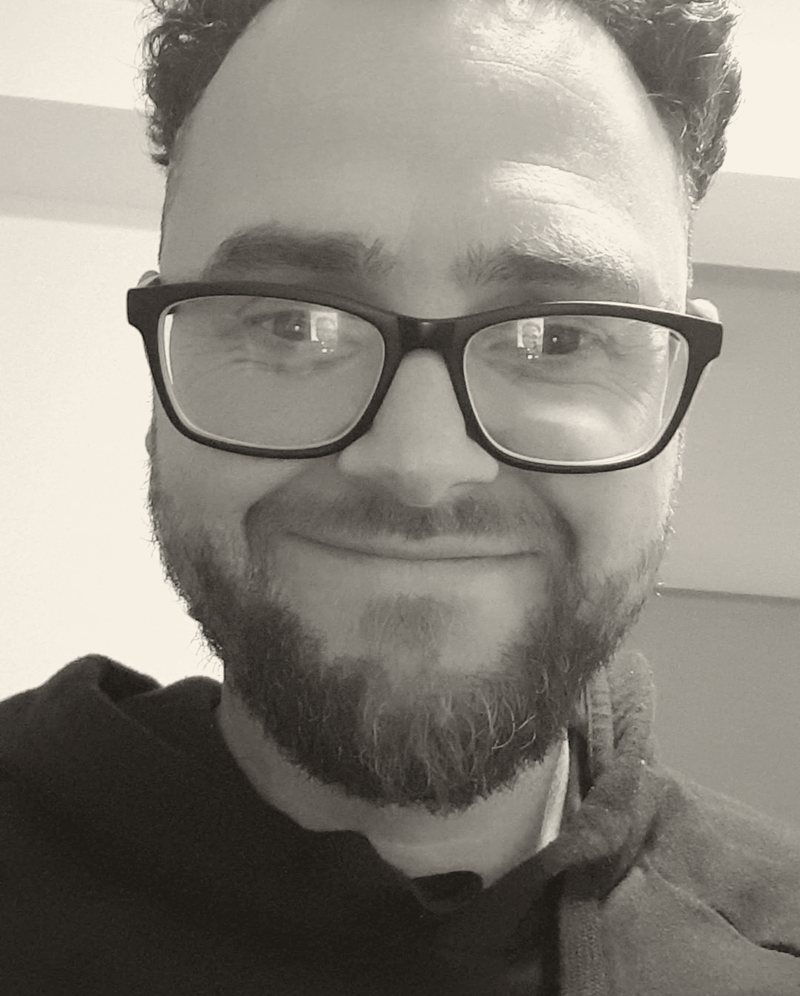
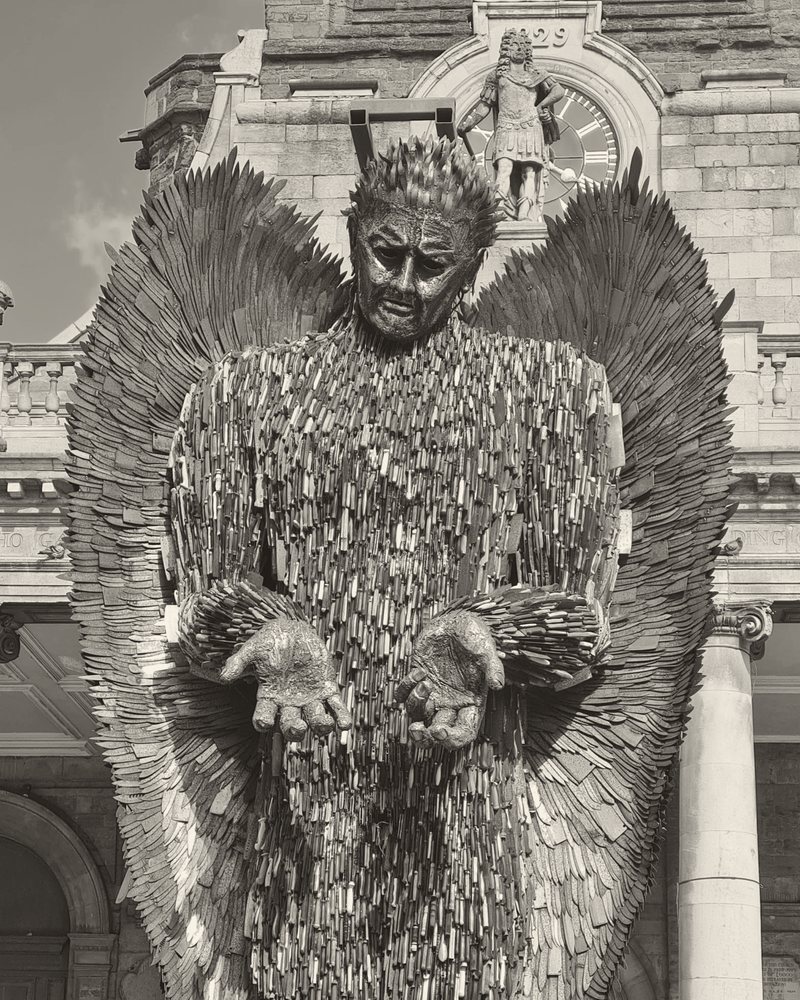
I looked up at it, glad to be alive. I qualified as a therapeutic coach over the next two years, trained by Frances Masters, and joined Action for Happiness in Northamptonshire. People held me up along the way and let me be human.
2023
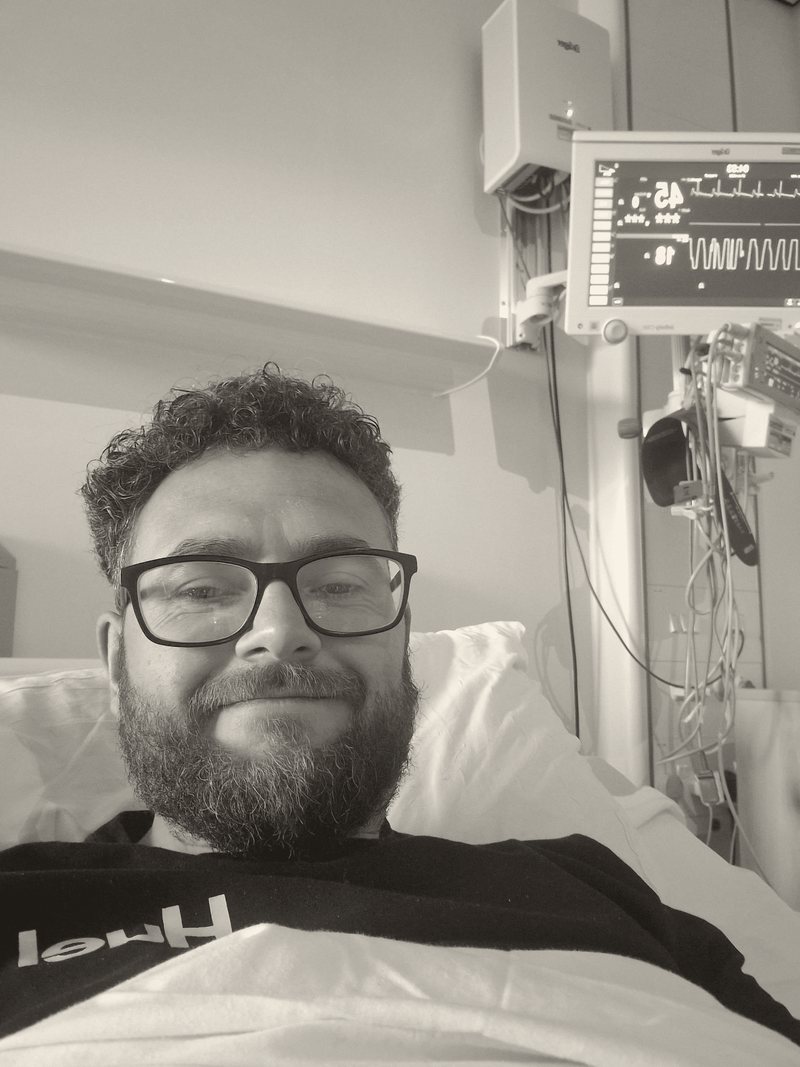
I was a mental health advocate by then. I passed out at the wheel of my car and spent a week on a cardiology ward. I passed out again and hit my head on concrete, damaging the nerves in my face.
2024
I was arrested, charged and given a community mental health treatment order and an alcohol tag. Six jobs were offered and then withdrawn because of my risk. Some people thought I was brilliant. Others thought I was mad. I worked through it with Shape of Emotion, three weeks of it written up in a practitioner’s journal for Matthew and Chantal. A red, fat, heavy egg in my throat. A brown, wet and soggy fur ball of feeling fed-up. One morning, after a nightmare, I went looking for courage and found a lion in my belly, quietly roaring.
2025
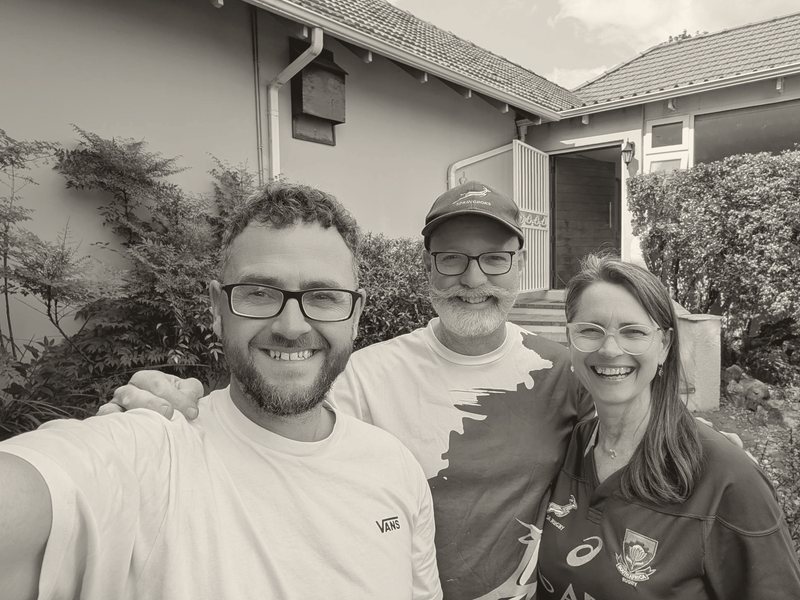
A week with my friends Matthew Green and Chantal Dawtrey at 5th Place: Sekwati Primary School in Soweto, an honest talk about emotions with a group of social workers, a bookshop, an inscription. Then a stage in Japan with the International Society for Bipolar Disorders. I’d written the abstract in the third person, and it felt safe. Mr. Bushell struggled with self-stigma. It was all true, and it had happened to someone else. On the day I was jet-lagged and sick, hiding in a private room, holding myself together with Shape of Emotion. In Chiba I had to stand up and be him.
2026
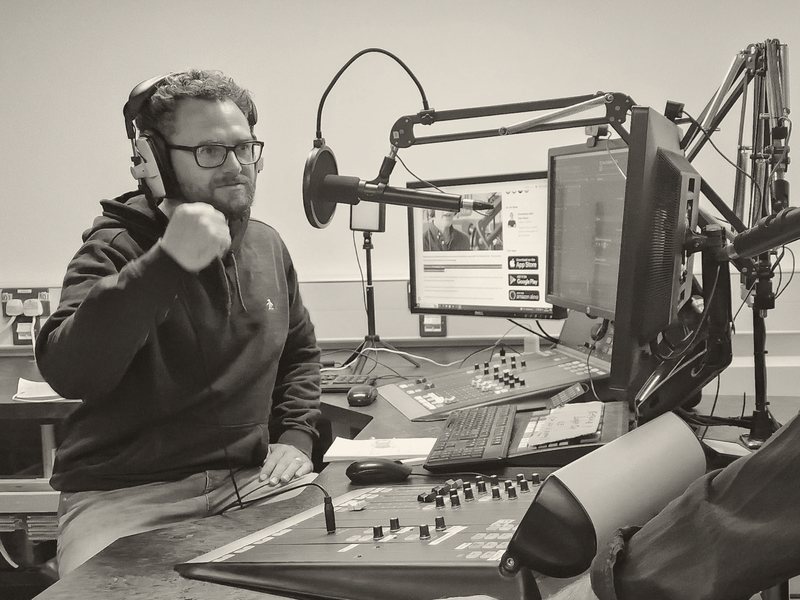
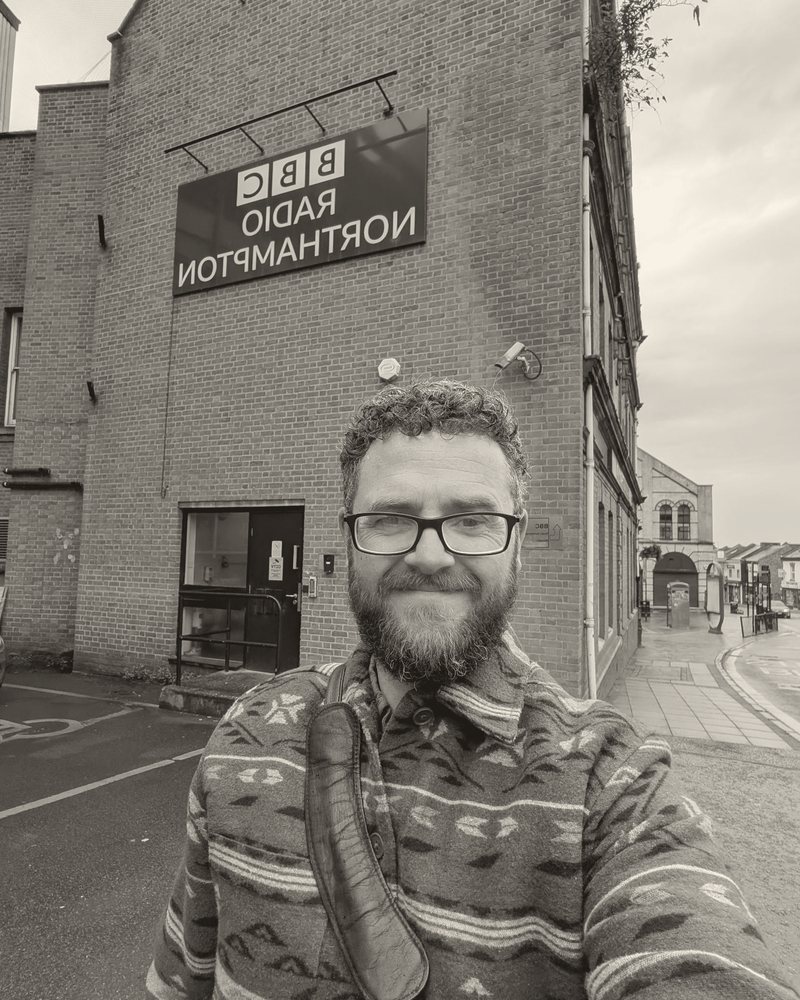
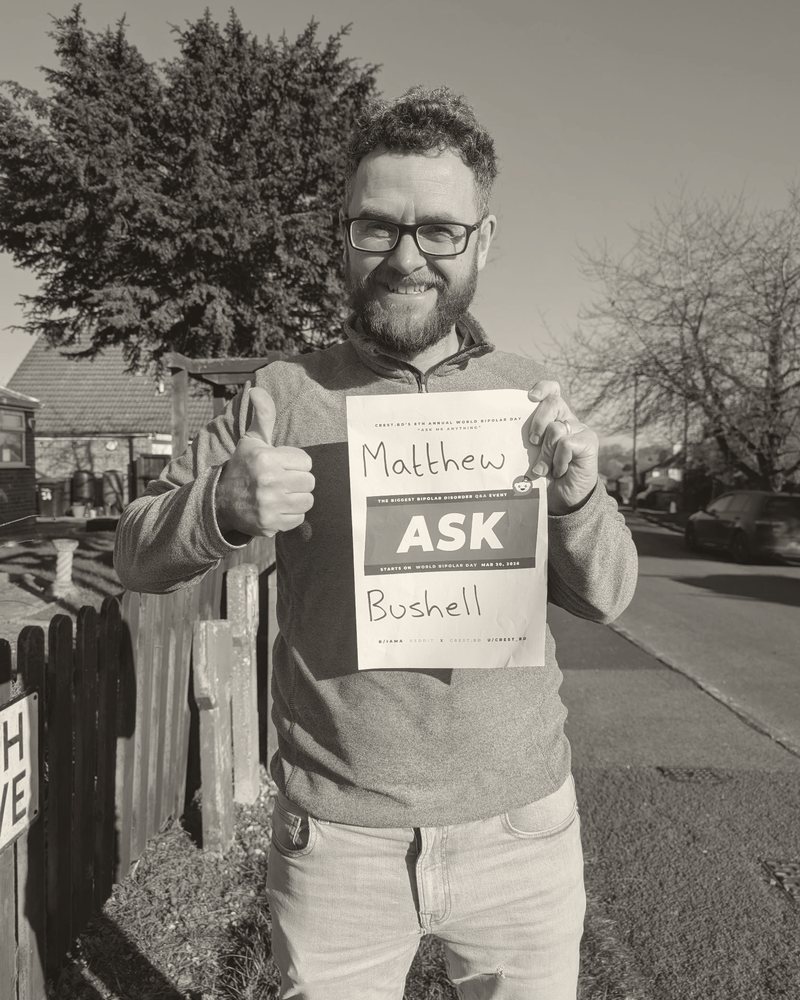
Haven came this year. I’m still in the town I was born in, and the town is where the work starts. I was on BBC Radio Northampton talking about men’s mental health, and on World Bipolar Day anyone, anywhere, could ask me anything. I went to North Wales to be with the Chase Recovery team, who are helping me learn how a lived experience recovery organisation is built, and Community Recovery is the one we’re building here. Coordinator, peer trainer, expert by experience, council member: different rooms, the same work, sitting with people who are where I’ve been. With David Pinto I’m building on Pscale, and this house is made of it. I read my friend Andrea’s book before it was a book, and this year a signed copy came back to me. Under all of it is what I’ve learned within: writing, Presence in Action, natural inclusion, emotional fitness, and Wholeless, the word I made for living in both, each in the other. None of it keeps to a time of day, and all of it is what I take to other people now. The book is being written. It hasn’t finished.
This is the building of a new house. I don’t know where it’ll end.
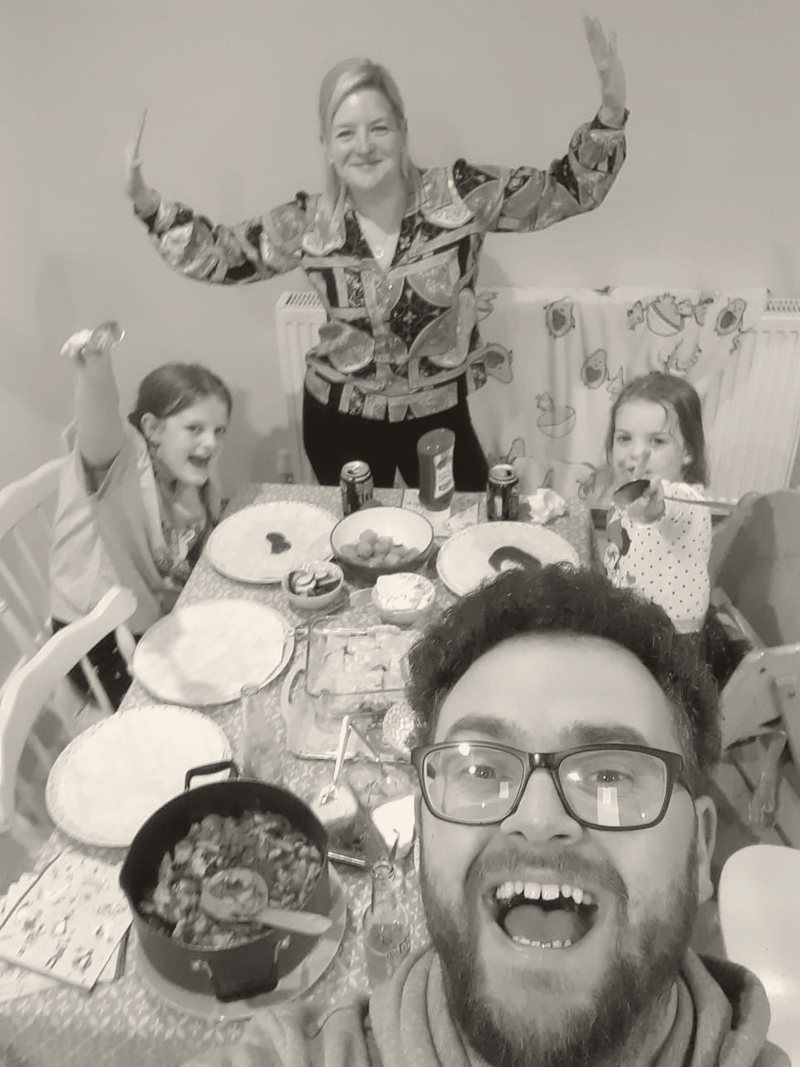
Kingsheath, Bellinge, Blackthorn, Thorplands. From my early teens, a house full of foster children, over a hundred of them through the years.
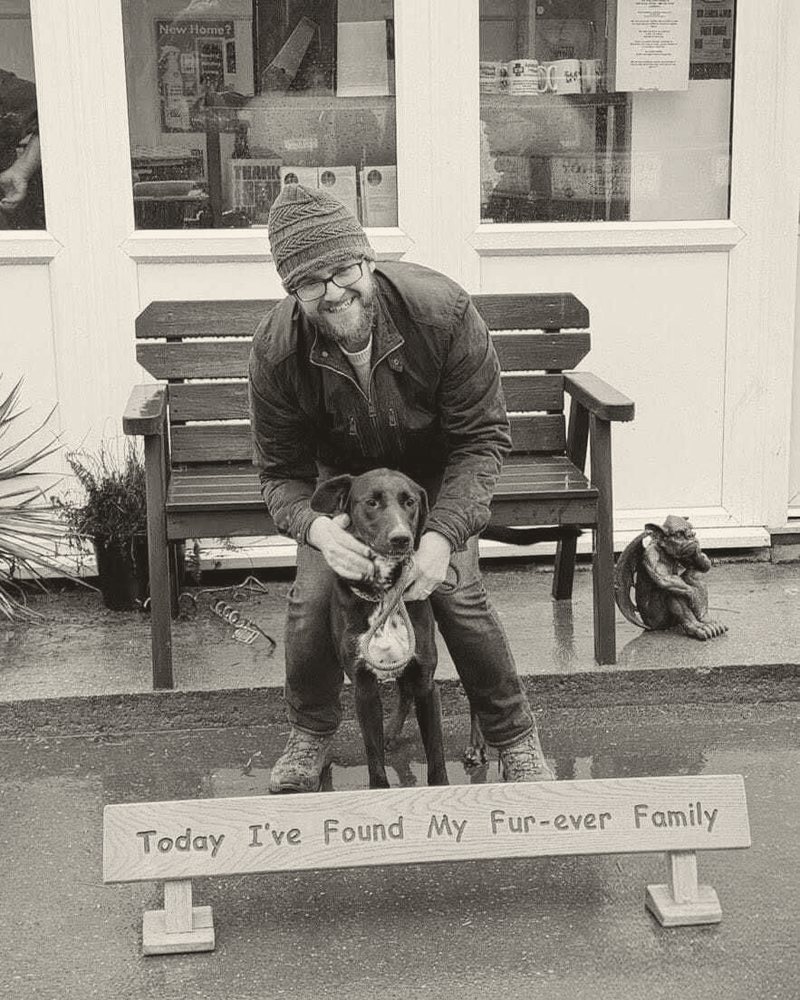
Married, father of two daughters, and walked most days by Haven, my Black Dalmador.
One of the largest towns in England, on the River Nene. Woollen cloth, leather, shoes. It used to be called a market town. There’s no market anymore.
An amateur boxer, I often say: nine fights, one trophy, Best Come Back Fight. A lead rock climber. These days I walk, slowly, and ride a red Honda.
“I see you helping the younger generation become more natural and humane.”
“Authentic, sensitive and yet pragmatic.”
“Connecting people, places and concepts.”
Coaching, speaking, training, co-production, or a conversation. Tell me what you hope for, and we’ll start there.
Anyone can read what’s left here. Nobody watches it as it comes in, so it’s not the place for an emergency. Finding support is there for that.